
What do the washing machine energy ratings mean?
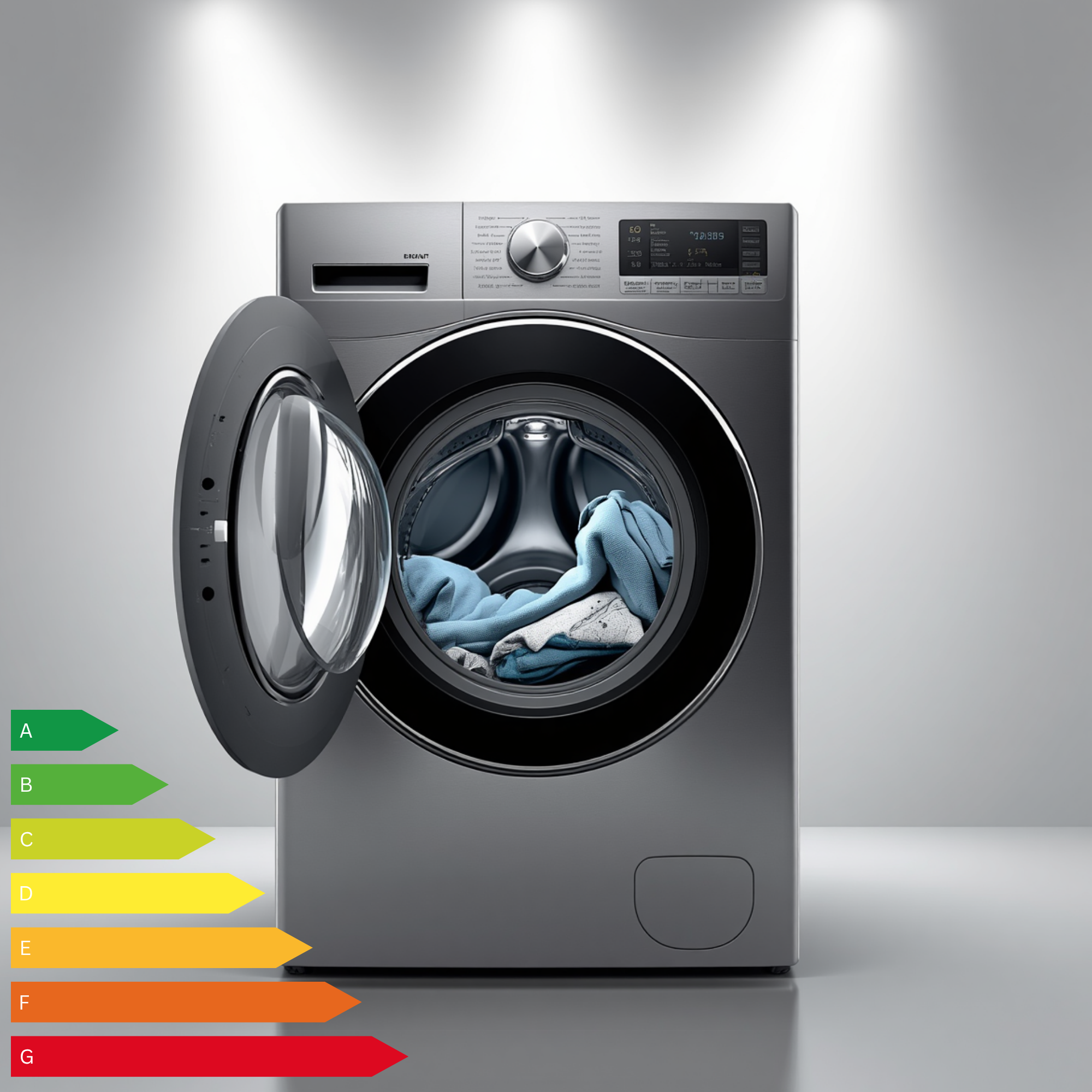
UK washing machines use an A to G energy efficiency scale, with A being the most efficient and G being the least efficient. The current scale replaced the older A+, A++ and A+++ ratings as part of the energy label changes introduced in 2021.
In simple terms:
- A – Most energy efficient
- B – Very efficient
- C – Efficient
- D – Average efficiency
- E – Lower efficiency
- F – Relatively inefficient
- G – Least efficient
Don't be surprised if you see fewer washing machines at the very top of the scale. The introduction of the revised A–G system was designed to make room for increasingly efficient appliances in the future.
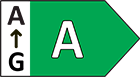
What information is on a washing machine energy label?
The energy rating is only one part of the label. When comparing washing machines, you'll also find information about:
Energy consumption: This is shown in kWh per 100 wash cycles. It gives you a much better indication of how much electricity a machine uses than the letter rating alone.
Capacity: The label shows the machine's rated capacity in kilograms, helping you compare energy use alongside drum size.
Water consumption: You'll see the water used per cycle, measured in litres.
Programme duration: The label shows how long the standard programme takes.
Noise level: The label also displays the machine's noise level in decibels (dB), including its noise class.
These figures are based on the machine's Eco 40-60 programme, so they provide a standardised way to compare different models.
Is an A-Rated washing machine always the cheapest to run?
Not necessarily.
The energy rating is a useful starting point, but it's worth looking at the kWh per 100 cycles figure when comparing machines.
For example, two washing machines might both have an A rating but have different energy consumption figures. The machine with the lower kWh figure will use less electricity under the standard test conditions.
It's also important to consider capacity. A larger washing machine may use more energy per cycle than a smaller one but could allow you to wash a larger load at once.
That's why it's best to compare energy rating, kWh consumption and capacity together rather than choosing an appliance based solely on the letter.
What energy rating should I look for?
If you're buying a new washing machine, look for the highest energy efficiency rating that fits your budget and requirements.
However, don't overlook the other information on the label. A machine with a good energy rating, suitable capacity and low energy consumption can be a better choice than simply buying the machine with the highest letter rating.
It's also worth thinking about how you wash. Running full loads rather than several smaller loads can help you make better use of the machine's capacity, while choosing an appropriate wash programme can affect how much energy and water each wash uses.
What should I look for when buying a washing machine?
For a quick comparison, check these five things:
- Energy rating: Look for a high A–G rating.
- kWh per 100 cycles: Lower figures indicate lower energy consumption under the standard test conditions.
- Drum capacity: Choose a size that suits the amount of laundry you regularly wash.
- Water consumption: Compare the litres used per cycle.
- Noise level: Particularly important if your washing machine is near living areas or bedrooms.
The UK Government requires energy labels to be displayed when applicable, including for online sales, so you should be able to find this information before buying.
The bottom line
A is currently the best energy efficiency rating and G is the least efficient. But the letter is only part of the story. When choosing a washing machine, compare the energy rating and kWh per 100 cycles alongside the drum capacity, water consumption and noise level. This gives you a clearer picture of how the appliance could perform in your home and helps you choose a machine that suits both your laundry needs and your energy priorities.
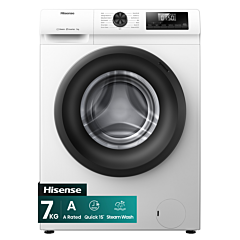
Shop A Rated Washing Machines














Over 50 Years Experience
Supplying, installing and repairing domestic appliances.
Expert Advice
Our experts are here to help you every step of the way.
Appliance Installation
Professional installation you can rely on.
Appliance Repairs
Fast, reliable repairs from our expert engineers.
Local Stores
Visit our showroom in St Albans, Hertfordshire.
Related Articles
How to choose the right washing machine
Buying a new washing machine can quickly become more complicated than expected. This guide explains the key things to consider when choosing a washing machine so you can find the right model for your home.
What size washing machine do I need?
Choosing the right washing machine size can make a big difference to how often you need to do laundry, how well your clothes are washed and how easily you can tackle larger items such as bedding and towels. But bigger isn't always better.
Top 10 Best Washing Machines of 2026: Our Recommendations
We know finding a new washing machine is tricky with so many choices to choose from, that's why we've put together a helpful list with our top 10 recommended washing machines of 2026.
How to Clean Your Washing Machine
A clean washing machine means fresher laundry, fewer unwanted smells and a happier appliance. The good news is that a few simple habits can make all the difference.
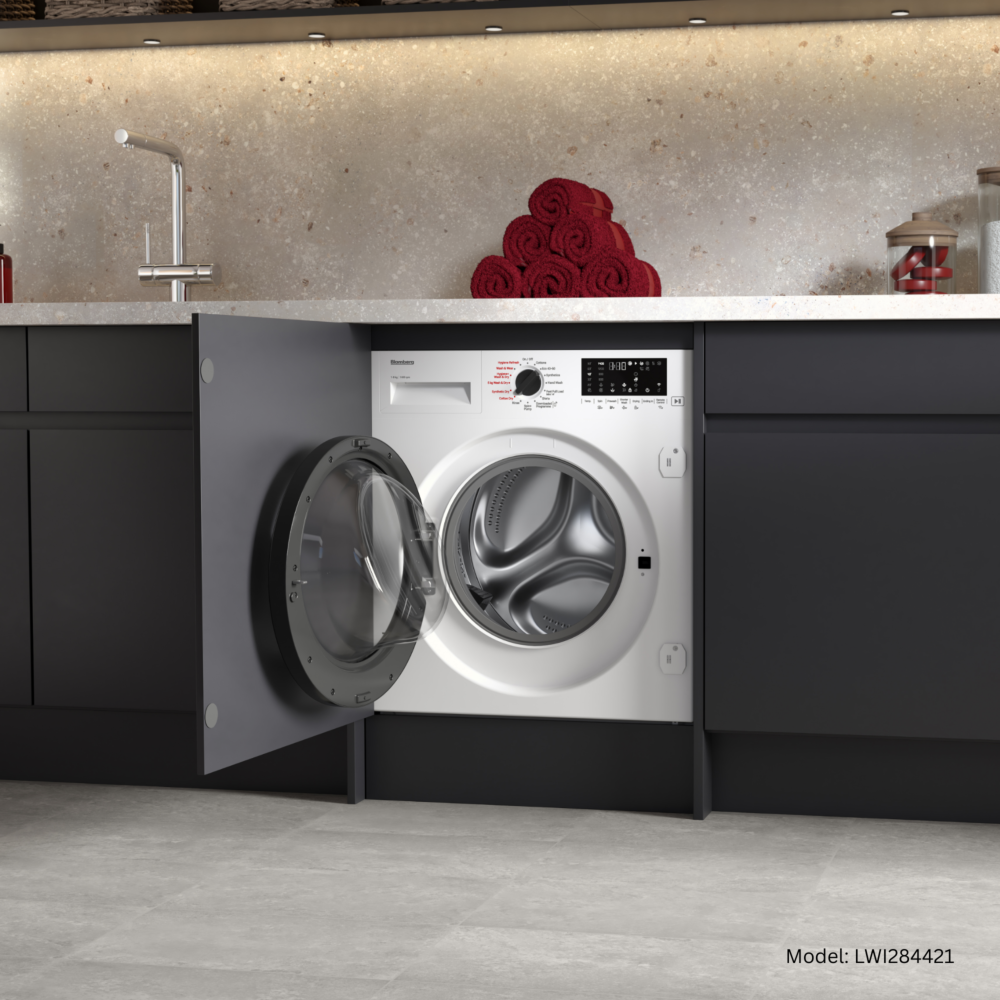
Integrated vs freestanding washing machines
When choosing a new washing machine, one of the first decisions to make is whether you want an integrated or freestanding model. While both types perform the same essential job, they have multiple differences to consider. So, which is best for you?
