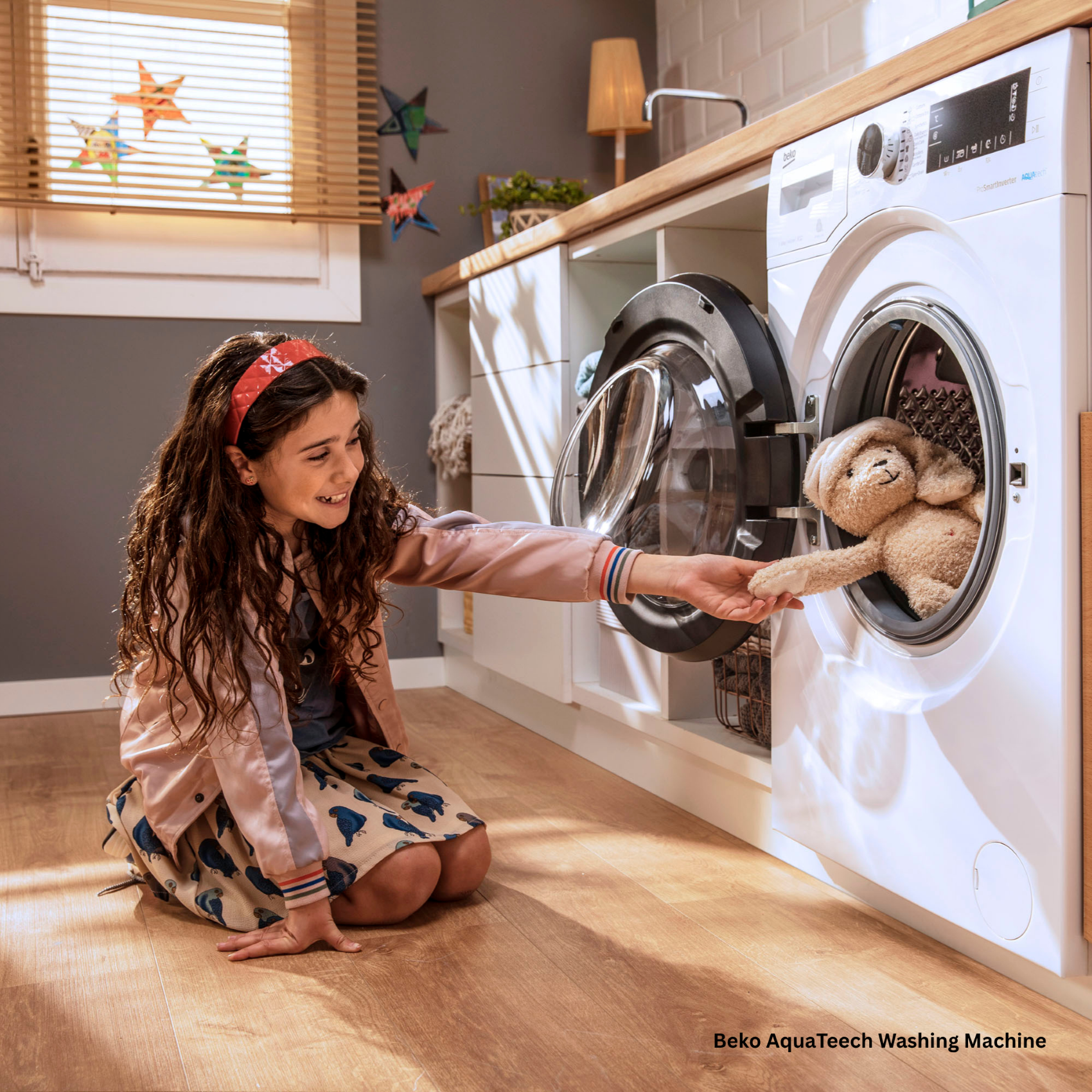
Freestanding vs Integrated Washing Machines
One of the first decisions you'll need to make is whether you want a freestanding or integrated washing machine.
What is a freestanding washing machine?
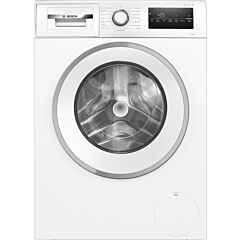
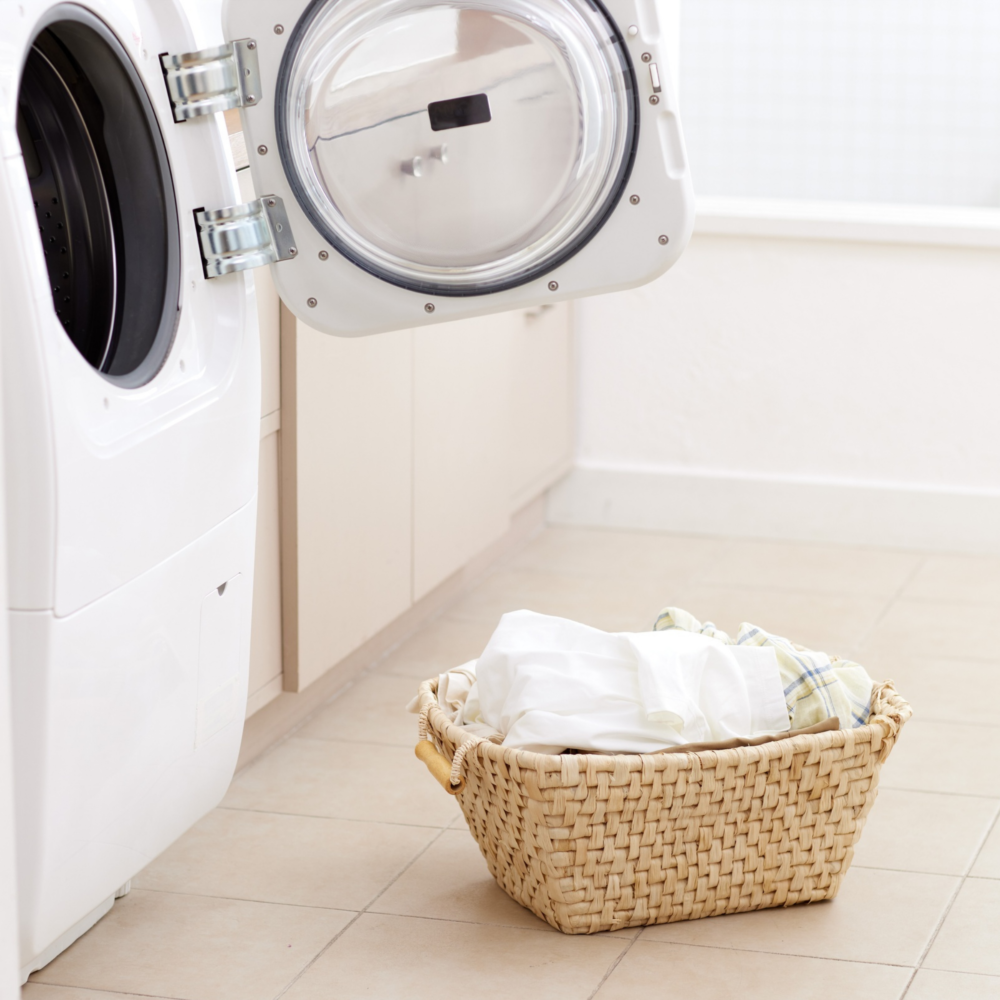
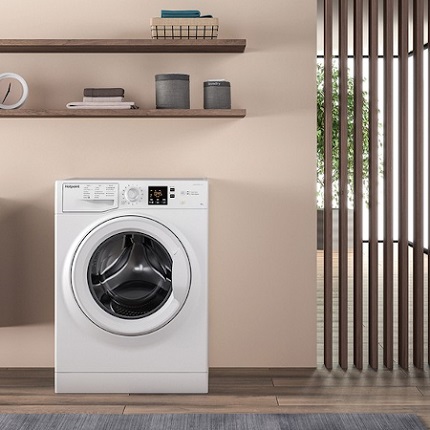
A freestanding washing machine is designed to sit independently, usually underneath a kitchen worktop or in a utility room.
The front of the machine remains visible and there is no cupboard door attached to it.
Freestanding washing machines tend to offer a wider choice of models and specifications. They can also be easier to replace because they aren't fitted behind kitchen cabinetry.
They're a practical choice if you're less concerned about concealing your appliances or want greater flexibility when choosing a model.
What is an integrated washing machine?
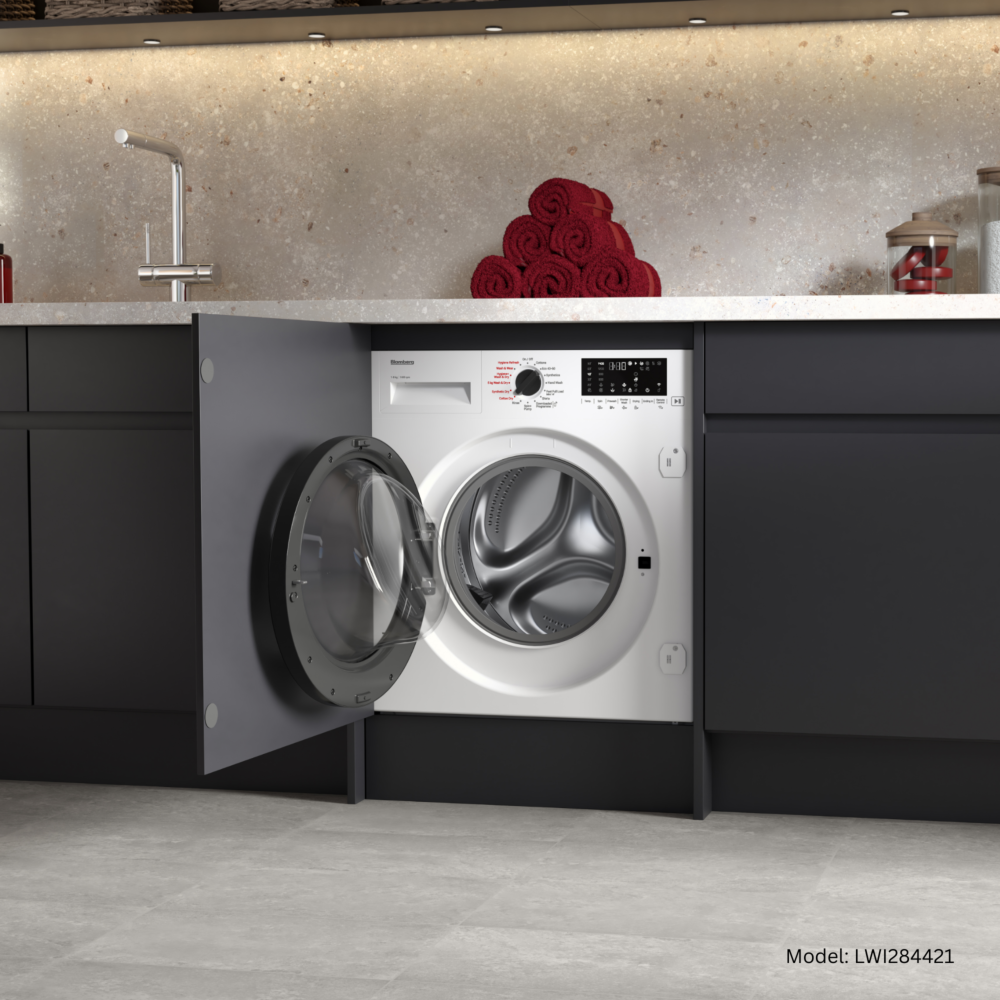
An integrated washing machine sits behind a cupboard door, allowing it to blend into the rest of your kitchen.
This makes integrated models particularly popular in kitchens where maintaining a consistent appearance is important.
The main difference is installation. Integrated washing machines are specifically designed to be fitted within kitchen units and have fixings that allow a cabinet door to be attached to the front.
If your kitchen already has space designed for an integrated appliance, you'll usually want to replace it with another integrated model.
What Washing Machine Capacity Do I Need?
Washing machine capacity is measured in kilograms and refers to the maximum weight of dry laundry that can comfortably fit inside the drum.
A larger capacity allows you to wash more laundry in a single cycle, but bigger isn't automatically better. Choosing a capacity that reflects the amount of washing your household produces can help you use your machine more efficiently.
7kg Washing Machines
A 7kg washing machine can be a good choice for a smaller household or someone who tends to wash smaller loads regularly.
It provides enough space for everyday clothing without taking you into the larger capacity machines designed for households producing significant amounts of laundry.
If you live alone or with one other person, a 7kg machine may provide all the capacity you need.
8kg Washing Machines
An 8kg washing machine provides a little more flexibility and can suit many small to medium sized households.
The additional drum space can be useful if you regularly wash bedding or prefer to wait until you have a larger load before running the machine.
For many households, an 8kg drum offers a useful balance between capacity and everyday practicality.
9kg Washing Machines
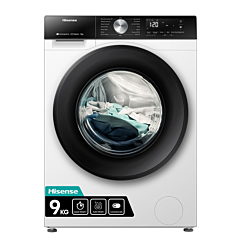
A 9kg washing machine is worth considering for larger households or homes where the washing machine seems to be running constantly.
The larger drum allows you to fit more into each load, which can be particularly helpful for families.
It can also make washing larger items such as bedding easier because there's more room for laundry to move around inside the drum.
However, if you usually wash small loads, you may not benefit from the additional capacity. Think about how much laundry you actually produce rather than simply choosing the largest drum available.
The maximum load capacity number is relevant to the maximum amount of laundry that can be put through the machine in one wash cycle. The capacity of a washing machine tends to very between 5kg-11kg, the amount you decide you need can roughly be broken down to family size. However, the most popular capacity choices are 7kg, 8kg or 9kg capacity.
- 5 or 6kg is good for 2 people or an average 25-30 T-shirts.
- 7kg is good for a 3 person family or the equivalent of 35 T-shirts.
- 8 or 9kg is suitable for a 4-5 person family being able to wash between 40-45 T-shirts.
- 10kg+ machines are suitable for households of 5 or more people which allows you to wash an average of 50-55 T-shirts.
What Does Washing Machine Spin Speed Mean?
Spin speed tells you how quickly the washing machine drum rotates during the spin cycle and is measured in revolutions per minute (RPM).
A higher maximum spin speed can remove more water from your clothes before they leave the machine. This can mean less time is needed for drying afterwards.
However, maximum spin speed isn't the only indication of how well a washing machine will perform. Different fabrics may require lower speeds, and many machines automatically adjust the spin speed depending on the programme selected.
1200 RPM Washing Machines
A 1200 RPM washing machine can provide perfectly adequate performance for everyday laundry.
Clothes may retain slightly more moisture compared with those spun at a higher speed, so drying can take a little longer.
This may be less important if you regularly dry clothes outside or aren't concerned about achieving the driest possible load straight from the machine.
1400 RPM Washing Machines
A 1400 RPM washing machine is a popular option for everyday household use.
It provides a strong spin that removes a good amount of water from laundry without necessarily requiring the highest available speed.
If you regularly use a tumble dryer or dry clothes indoors, reducing the amount of moisture left in your laundry can be particularly useful.
For many households, 1400 RPM offers a good balance between effective water extraction and everyday practicality.
1600 RPM Washing Machines
A 1600 RPM washing machine offers a faster maximum spin and can leave suitable fabrics with less residual moisture at the end of the cycle.
This can be useful if reducing drying time is important to you.
Not every item should be spun at 1600 RPM, though. Delicate fabrics and certain garments may require a gentler spin, so the machine will often use a lower speed depending on the programme you've selected.
It's therefore worth considering whether you'll regularly benefit from the higher maximum speed before making it a priority.
Which Washing Machine Is Right for Me?
Start by thinking about where your washing machine will be installed. If it needs to sit behind a kitchen cupboard door, look at integrated models. If the appliance will remain visible, a freestanding washing machine will usually give you more options.
Next, consider how much laundry your household produces. A 7kg machine may be plenty for a smaller household, while an 8kg model gives you some additional flexibility. Busier households may find the extra space offered by a 9kg drum more practical.
Spin speed is another consideration. A 1200 RPM machine can handle everyday laundry, while 1400 RPM offers greater water extraction. A 1600 RPM model may be worthwhile if you frequently wash suitable fabrics and want to minimise drying time.
Other Features to Consider When Buying a Washing Machine
Once you've decided on the basic specification, take a look at the programmes and features available.
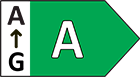
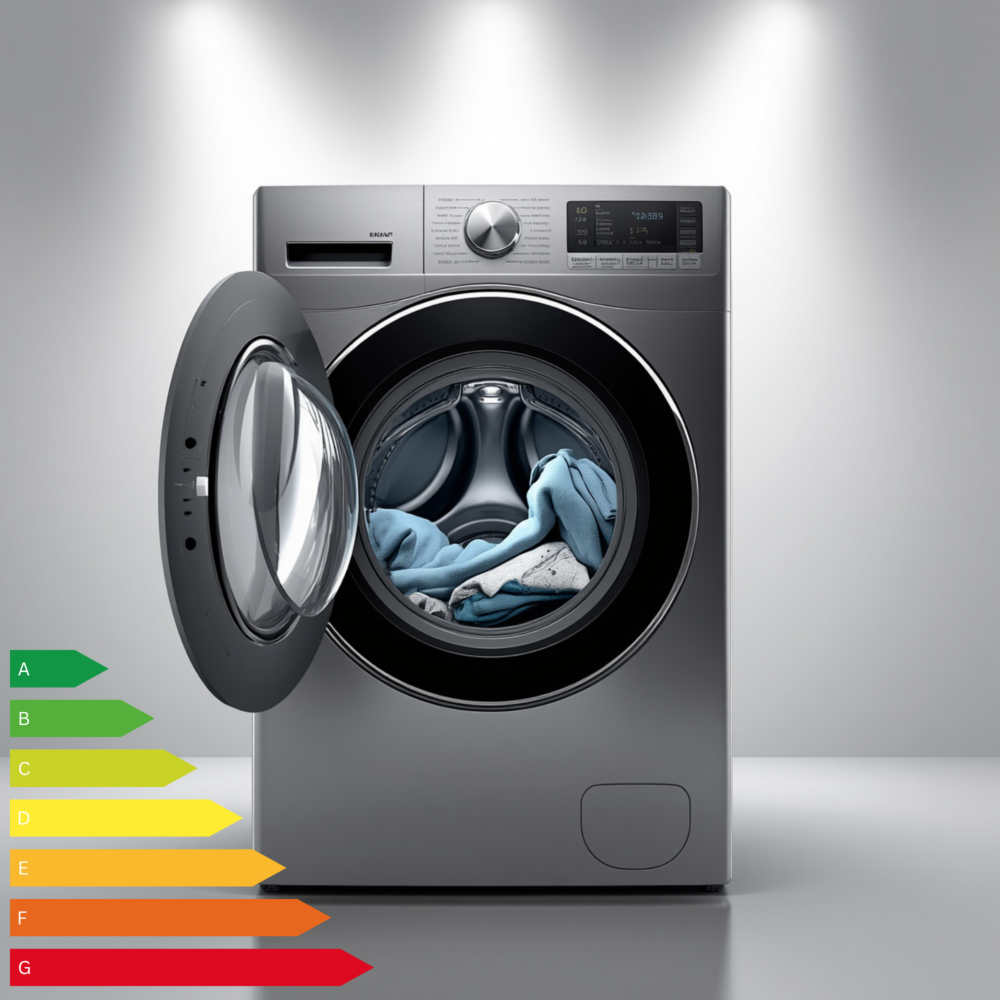
Energy efficiency is worth considering because your washing machine is likely to be used regularly throughout its lifetime. Check the appliance's energy label when comparing models rather than relying on capacity or spin speed alone.
Quick-wash programmes can also be useful when you need to refresh a smaller amount of clothing without running a longer cycle.
If your washing machine is located close to a living area, you may also want to compare noise levels. This can be particularly relevant in open-plan homes.
Finally, check the dimensions carefully. Washing machines can vary in depth, so don't assume that every model will fit simply because the width looks right.