
Washing Machine Sizes at a Glance
As a general guide, washing machine capacities tend to fall into these ranges:
| Washing machine capacity | Best suited to | Typical loads |
|---|---|---|
| 5–6kg | 1 person or occasional washing | Everyday clothes, underwear and smaller loads |
| 7kg | 1–2 people | Regular clothes, towels and bedding |
| 8kg | 2–3 people | Larger weekly loads, towels and single bedding |
| 9kg | 3–4 people | Family laundry, towels and double bedding |
| 10kg | 4+ people | Large family loads and bulky items |
| 11–12kg+ | Large households or frequent bulky washing | Large bedding, towels and substantial loads |
These are useful starting points, but your household's washing habits are just as important as the number of people in your home.
What size washing machine do I need for a duvet?
Bedding is one of the main reasons people consider moving up to a larger washing machine. As a general guide:
| Item | Suggested washing machine capacity |
|---|---|
| Single duvet | 7–8kg+ |
| Double duvet | 9kg+ |
| King-size duvet | 10kg+ |
| Super king duvet | 10–12kg+ |
These are guidelines rather than strict rules. Duvets vary considerably in size, filling and thickness, so always check the care instructions and washing machine manufacturer's guidance before washing one at home. The key consideration is that the duvet needs enough room to move freely in the drum. If you have to force a bulky duvet into the machine, the drum is likely too small for that particular item.
What size washing machine do I need for towels?
Towels can take up considerably more space than everyday clothing, particularly when they're wet. If you regularly wash several bath towels together, an 8 - 9kg machine can provide useful extra capacity. Larger families or households washing lots of towels at once may benefit from a 9 - 10kg+ machine. Remember that washing capacity is based on dry laundry, not how heavy the load becomes once it's wet.
Does a bigger washing machine use more water and electricity?
Not necessarily.
Modern washing machines are designed to adjust water and energy use according to the selected programme and load. However, a larger-capacity machine may not be the best choice if you regularly wash very small loads.
If you consistently have only a small amount of laundry, a smaller machine may be a better match for your washing habits.
If you regularly have full loads, however, a larger machine can help you wash more laundry in each cycle rather than running multiple smaller washes.
When comparing machines, look beyond capacity and check the appliance's energy rating, water consumption and programme information as well.
How full should a washing machine be?
It can be tempting to pack as much laundry as possible into the drum, but overloading can prevent clothes from moving freely and may affect washing and rinsing performance.
As a general rule, you should follow the manufacturer's instructions for maximum load sizes and the guidance for individual programmes.
A useful rule of thumb for many everyday washes is to leave enough space at the top of the drum for the laundry to move around freely. Bulky items such as duvets may require significantly more space.
Don't assume that because your washing machine is rated at 9kg, every programme can wash 9kg of laundry.
Some specialist programmes have lower maximum load capacities.
Don't forget the physical size of the washing machine
Drum capacity isn't the only measurement you need to consider.
Before buying a washing machine, check:
- Width
- Height
- Depth
- Door opening space
- Hose and plumbing access
- Space required to open the door
- Clearance around the appliance
- Whether it can be installed in your chosen location
A washing machine with a large drum may be deeper than a smaller-capacity model, so make sure you measure your available space before choosing.
Also remember to account for skirting boards, cupboards, doors and pipework that could affect how far the appliance can sit into its intended space.
How to choose the right washing machine capacity
If you're still unsure, ask yourself these five questions:
1. How many people live in your household?
More people generally means more laundry, making a larger capacity worthwhile.
2. How often do you wash?
If you wash small loads every day, you may not need as large a machine as someone who saves their laundry for one or two big weekly washes.
3. What do you wash?
If you mainly wash lightweight clothes, a smaller drum may be enough. If you regularly wash towels, bedding, workwear or bulky items, consider a larger capacity.
4. Do you want to wash your duvet at home?
If so, choose your capacity based on the largest duvet you expect to wash. A 9kg machine is a useful starting point for a double duvet, while larger or particularly bulky duvets may benefit from a 10kg+ machine. Always check the manufacturer's guidance before washing bulky bedding.
5. Will you have enough space for the appliance?
Finally, measure the installation space rather than assuming every washing machine will fit.
In short: choose your washing machine based on your household, your typical laundry load and the largest items you need to wash.
Shop Popular Washing Machines










Over 50 Years Experience
Supplying, installing and repairing domestic appliances.
Expert Advice
Our experts are here to help you every step of the way.
Appliance Installation
Professional installation you can rely on.
Appliance Repairs
Fast, reliable repairs from our expert engineers.
Local Stores
Visit our showroom in St Albans, Hertfordshire.
Related Articles
Washing Machine Buying Guide
Buying a new washing machine can quickly become more complicated than expected. This guide explains the key things to consider when choosing a washing machine so you can find the right model for your home.
Integrated vs freestanding washing machines
When choosing a new washing machine, one of the first decisions to make is whether you want an integrated or freestanding model. While both types perform the same essential job, they have multiple differences to consider. So, which is best for you?
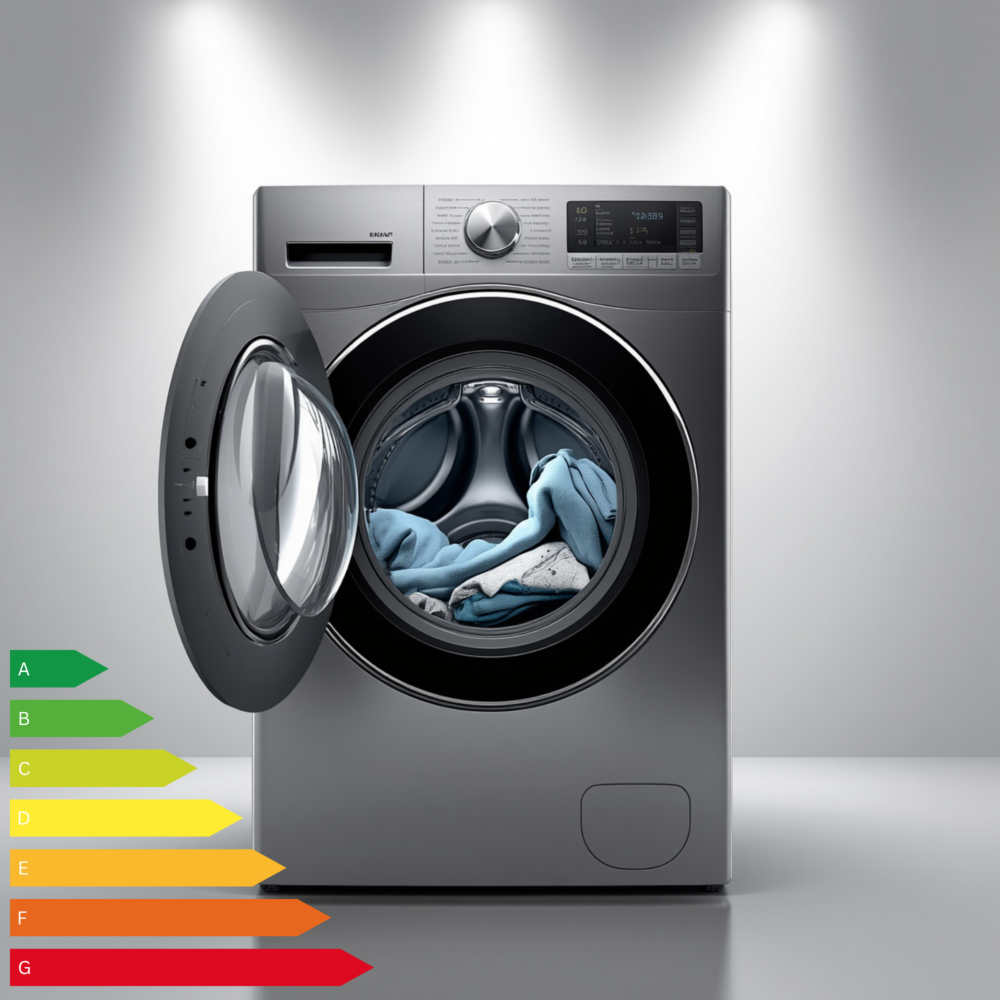
Washing machine energy ratings explained
When buying a new washing machine, the energy rating is one of the easiest ways to compare efficiency. Here's what the washing machine energy label means and what you should look for when choosing your next appliance.
Top 10 Best Washing Machines of 2026: Our Recommendations
We know finding a new washing machine is tricky with so many choices to choose from, that's why we've put together a helpful list with our top 10 recommended washing machines of 2026.
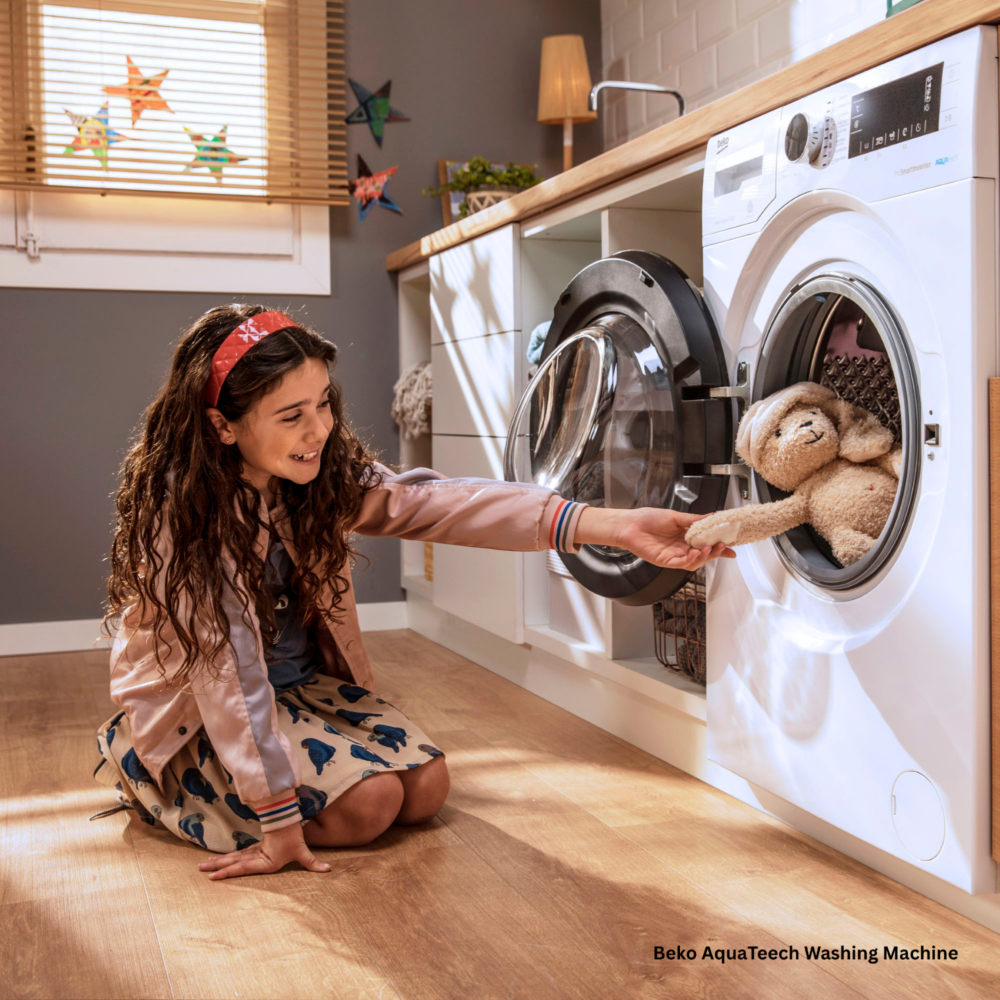
Best Washing Machines for Families
When you're washing clothes for the whole family, a washing machine needs to do more than simply clean clothes. Larger loads so choosing the rigtht machine can make laundry day much easier.
