
Common causes of a washing machine not draining
There are several reasons why your washing machine may not be draining properly, including:
- A blocked drain filter
- A kinked or blocked drain hose
- A blocked pump
- Something trapped in the pump or filter, such as coins, hair or small items
- An overloaded washing machine
- Too much detergent creating excessive suds
- A fault with the drain pump
- An electrical or control fault
1. Check the drain filter
One of the most common causes of drainage problems is a blocked drain filter. Over time, items such as coins, buttons, hair and fabric fibres can collect in the filter and restrict the flow of water.
What to do:
Switch off and unplug your washing machine before checking the filter. Follow your appliance manufacturer's instructions for locating and cleaning it.
If there is water left in the drum, be prepared for water to come out when the filter is opened. Use a suitable container or towels to protect your floor.
Tip: Make checking and cleaning the drain filter part of your regular appliance maintenance routine.
2. Check the drain hose
A washing machine may struggle to drain if its drain hose is kinked, crushed or blocked.
Carefully check the hose behind the appliance and make sure it isn't trapped against the wall or sharply bent. If you're unsure about the correct hose position, refer to your washing machine's installation instructions.
Never disconnect a hose or attempt to alter the plumbing connection unless you are confident it is safe to do so.
3. Look for items that could be blocking the drain
Small objects left in pockets can make their way into the washing machine and become trapped in the drainage system. Coins, hair clips, tissues and other small items can contribute to blockages.
Before washing clothes, check pockets and remove anything that shouldn't go into the machine.
If you suspect an object is trapped inside the pump or another internal component, don't attempt to dismantle the appliance unless you are suitably qualified.
4. Check your detergent usage
Using too much detergent can create excessive foam. In some circumstances, this can interfere with the washing machine's operation and drainage.
Always follow the detergent manufacturer's recommended dosage and take into account factors such as load size and water hardness.
More detergent doesn't necessarily mean cleaner clothes and using the correct amount can help reduce residue and build up inside your appliance.
5. Avoid overloading the washing machine
An overloaded drum can put unnecessary strain on the appliance and may prevent it from completing a cycle correctly.
Follow the maximum load recommendations for your washing machine and avoid cramming clothes into the drum. Laundry should have enough room to move freely during the wash.
How to prevent your washing machine from not draining
A little regular maintenance can help reduce the risk of drainage problems.
Check pockets before every wash
Coins, tissues and other small objects are easily forgotten. Checking pockets before loading your machine can help prevent unwanted items from reaching the drainage system.
Clean the drain filter regularly
Follow your manufacturer's recommended cleaning schedule. If you frequently wash items that produce lots of lint or small fibres, you may need to check the filter more often.
Use the correct amount of detergent
Follow the recommended dosage rather than assuming more detergent will give better results.
Don't overload the drum
Stick to your appliance's recommended maximum load and give laundry enough room to move around.
Keep an eye out for warning signs
Slow draining, unusual noises, standing water or repeated error messages can indicate a developing problem. Addressing these signs early may help prevent a more serious fault.
When should you call for help?
If you've checked the filter, drain hose and load but your washing machine still won't drain, there could be a problem with the drain pump or another internal component.
Always unplug your washing machine before carrying out any checks or maintenance, and never attempt electrical repairs yourself. If you're unsure what to do, consult your appliance manufacturer's instructions or contact a qualified appliance technician.
Keep your washing machine draining properly
Regular maintenance and a few simple habits can go a long way towards preventing drainage problems. Check pockets, clean the drain filter, use the right amount of detergent and avoid overloading the drum. These small steps can help keep your washing machine running efficiently and reduce the chances of being left with a drum full of water when you need your laundry done.
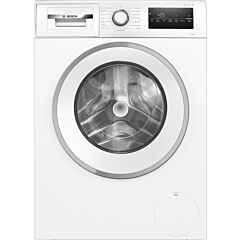
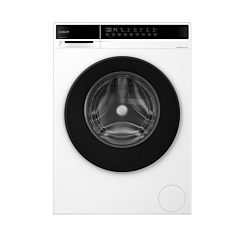
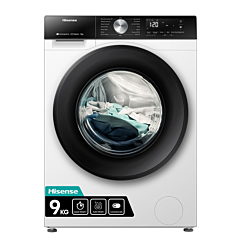
Is your washing machine beyond repair? Browse our most popular washing machines below











Over 50 Years Experience
Supplying, installing and repairing domestic appliances.
Expert Advice
Our experts are here to help you every step of the way.
Appliance Installation
Professional installation you can rely on.
Appliance Repairs
Fast, reliable repairs from our expert engineers.
Local Stores
Visit our showroom in St Albans, Hertfordshire.
Related Articles
Washing machine not spinning
If your washing machine has finished its cycle but your clothes are still soaking wet, the spin cycle may not be working properly. Follow these simple troubleshooting steps to find out why your washing machine is not spinning.
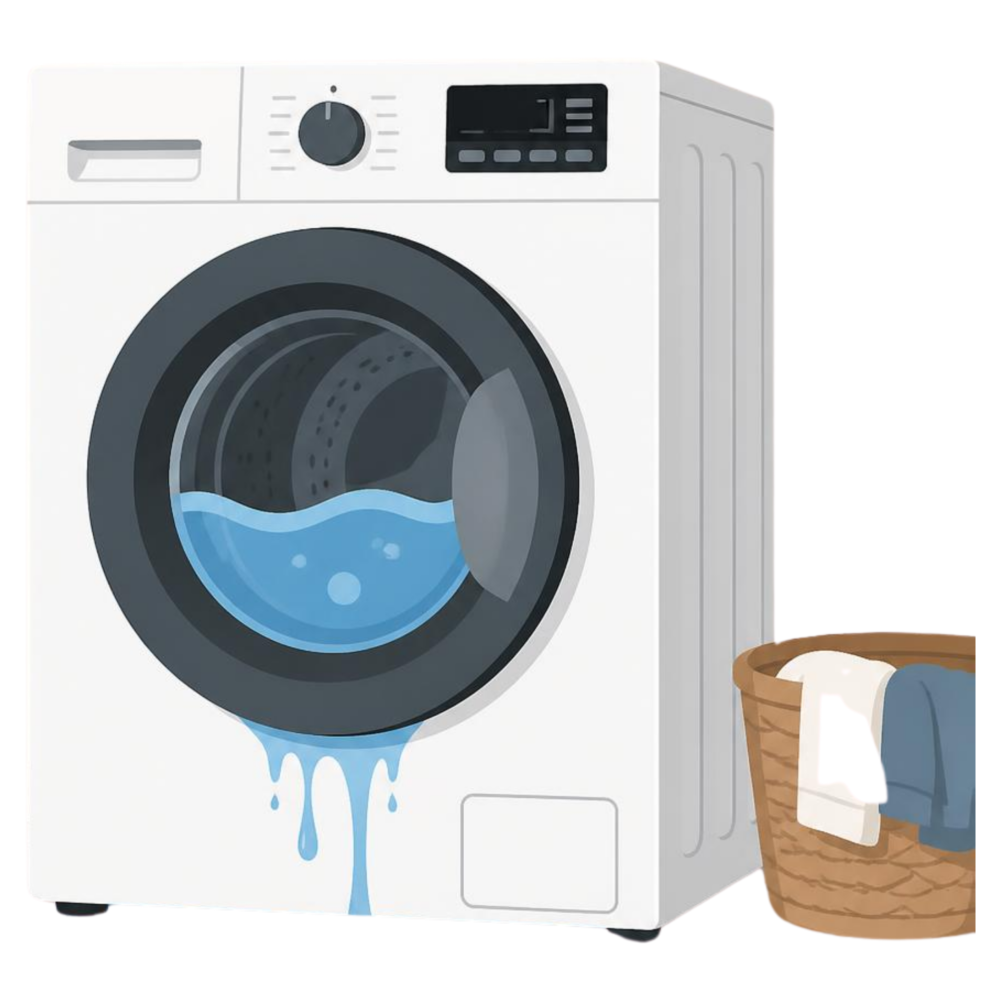
Washing machine leaking
Whether you've noticed a small puddle underneath the appliance or water escaping from the door, there are several possible causes. Here's what to look for and how you can help prevent leaks from happening again.
Washing machine making a loud noise
Strange sounds can be worrying, but not every unusual noise means your appliance has a serious fault. Here's what different noises could mean and what you can do to help prevent problems in the future.
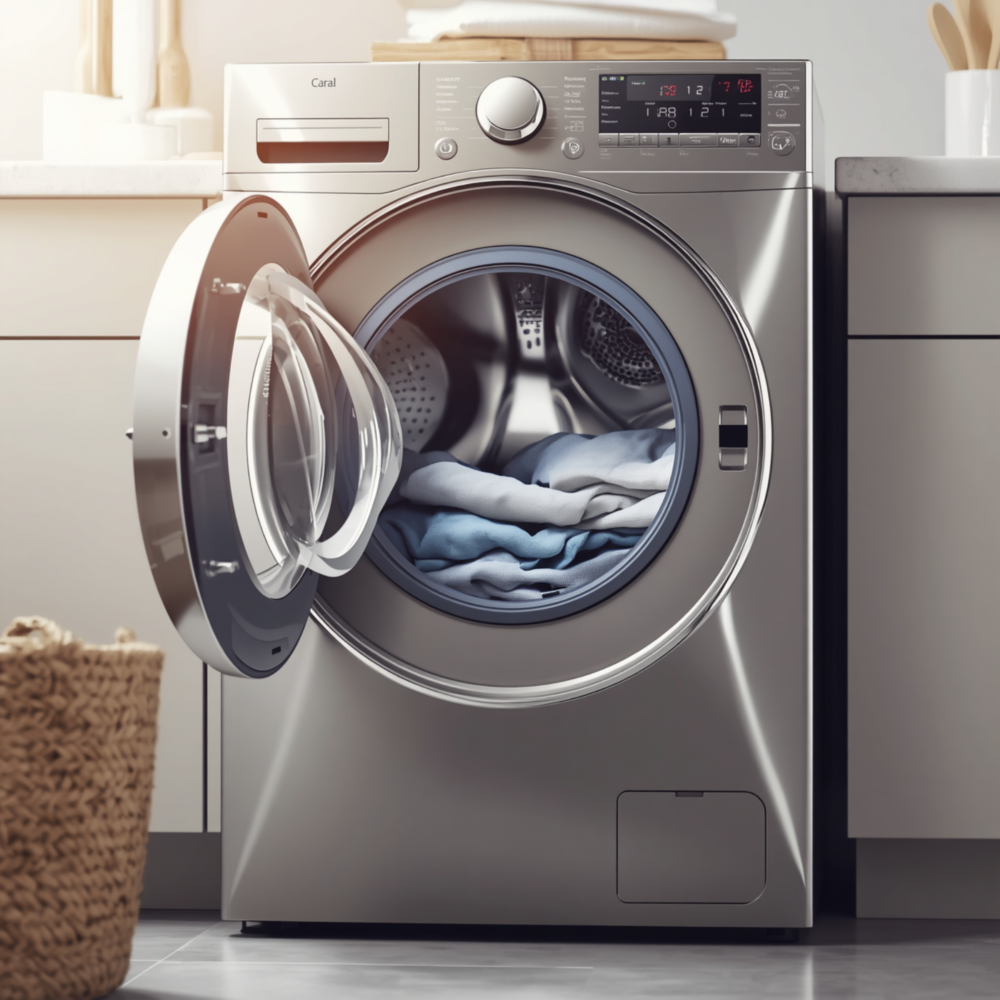
How to clean your washing machine
A clean washing machine means fresher laundry, fewer unwanted smells and a happier appliance. The good news is that a few simple habits can make all the difference.
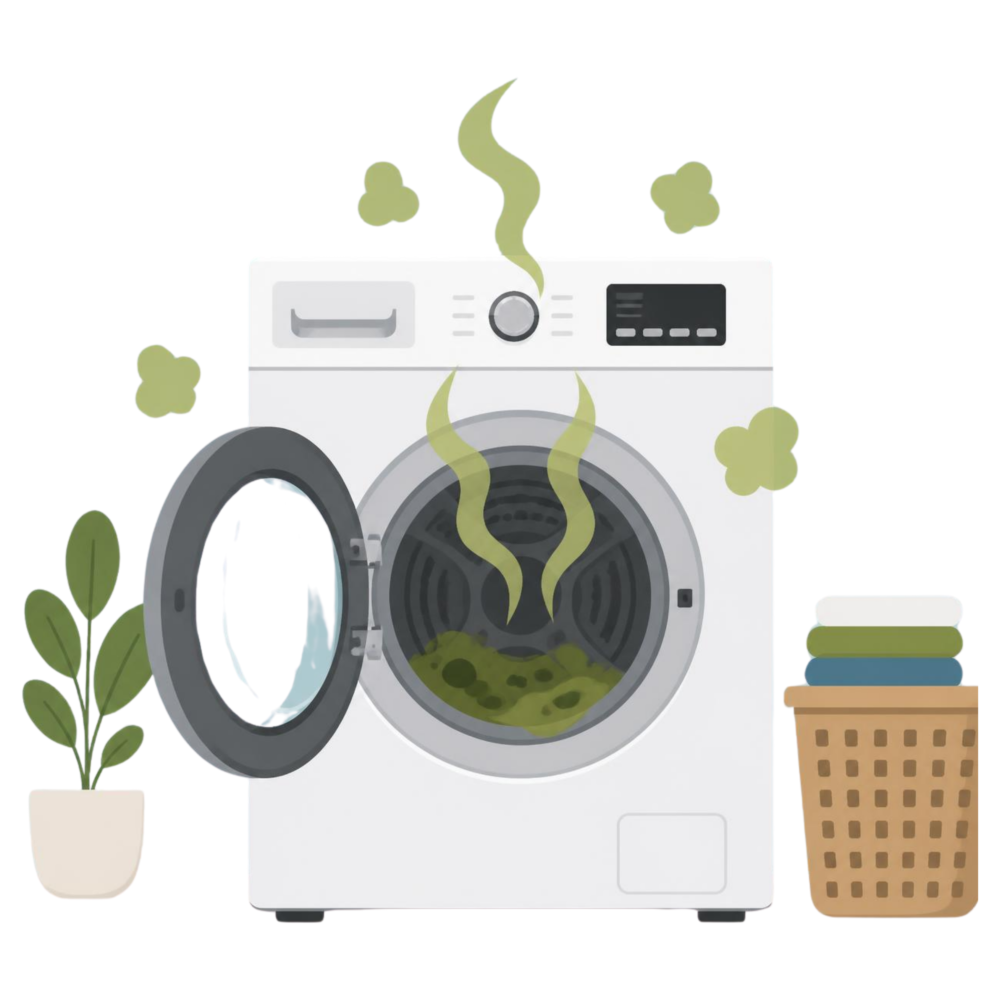
How to stop my washing machine from smelling
A fresh smelling washing machine helps keep every load feeling clean and fresh. If your machine has started to develop an unpleasant odour, don’t worry, there are a few simple habits that can make a big difference.
