
Which Type of Tumble Dryer Should I Choose?
There are three main types of tumble dryer: vented, condenser and heat pump.
Vented Tumble Dryers
Vented tumble dryers remove warm, damp air from the drum and expel it outside through a vent or hose. They can offer fast drying and are generally straightforward to use, but they need to be positioned where the warm air can be vented outdoors.
Vented dryers have traditionally been one of the more affordable options to buy, although their higher energy consumption can make them more expensive to run.
Best for: Homes with suitable external ventilation and those looking for a lower upfront purchase price.
Important: New UK energy rating regulations mean conventional vented tumble dryers will be phased out from the GB market from 19 January 2027. Existing stock that was already placed on the market before the deadline can still be sold.
Condenser Tumble Dryers
Condenser tumble dryers don't require an external vent. Instead, moisture is removed from the warm air and collected in a water tank, which needs to be emptied regularly.
This makes condenser dryers more flexible to install than vented models, as they can be positioned in more locations around the home.
Best for: Homes without an external vent where a simple and flexible installation is important.
Important: Like conventional vented dryers, standard condenser tumble dryers are being phased out under the new GB energy rating requirements from 19 January 2027. Existing stock already placed on the market can still legally be sold.
Heat Pump Tumble Dryers
Heat pump tumble dryers use a different approach to drying. Instead of continuously heating and exhausting air, they recycle warm air within the appliance. This allows them to dry clothes at lower temperatures while using less energy than conventional tumble dryers.
They don't require an external vent, making them flexible to install, and the lower drying temperatures can also be gentler on fabrics.
Heat pump dryers can cost more to buy initially, but their lower energy consumption can help reduce running costs over the lifetime of the appliance.
Best for: Regular tumble dryer users looking for lower energy consumption, fabric care and a more future proof appliance.
Heat Pump vs Condenser vs Vented: Which Is Best?
| Feature | Vented | Condenser | Heat Pump |
|---|---|---|---|
| External vent required | Yes | No | No |
| Energy efficiency | Lower | Lower | Higher |
| Typical purchase price | Lower | Lower | Higher |
| Running costs | Higher | Higher | Lower |
| Drying temperature | Higher | Higher | Lower |
| Fabric care | Good | Good | Excellent |
| Future-proof choice | No | No | Yes |
For most households buying a new tumble dryer today, a heat pump model is the best long term choice. Although the initial purchase price can be higher, the combination of lower energy consumption, lower temperature drying and no need for external ventilation makes heat pump technology extremely popular.
What Size Tumble Dryer Do I Need?
Tumble dryer capacity is measured in kilograms and refers to the maximum weight of dry laundry the drum can handle.
As a general guide:
- 7kg: Suitable for individuals and smaller households.
- 8kg: A good all round choice for couples and smaller families.
- 9kg: Ideal for larger households and frequent, heavier loads.
- 10kg+: Useful for large families or households regularly drying bulky items such as bedding and towels.
It's worth considering the capacity of your washing machine too. Ideally, your tumble dryer should have a similar or slightly larger capacity than your washing machine, allowing you to dry a full wash load without having to split it between cycles.
However, a larger drum isn't necessarily better for everyone. If you regularly wash smaller loads, choosing a dryer that is too large could mean you're paying for capacity you don't use.
Where Will You Put Your Tumble Dryer?
Think about where the appliance will be installed before choosing a model.
Measure the available height, width and depth, and remember to allow enough room for doors and drawers to open comfortably. You should also check the manufacturer's installation requirements before purchasing.
No External Vent?
If you don't have an external vent, a condenser or heat pump tumble dryer will generally be more suitable than a vented model.
Heat pump and condenser dryers collect the moisture removed from your clothes rather than exhausting damp air outside. The collected water can normally be emptied manually or, depending on the model and installation, connected to a suitable drain.
Want to Hide Your Tumble Dryer?
If your tumble dryer is going into a fitted kitchen or utility room, an integrated tumble dryer can provide a more seamless appearance.
Integrated models are designed to fit behind a furniture door, although you'll need to check the appliance dimensions and installation requirements carefully.
How Energy Efficient is a Tumble Dryer?
Tumble dryers can be one of the more energy intensive appliances in the home, so energy efficiency is an important consideration if you use yours regularly.
Heat pump technology generally offers the best energy efficiency because the appliance recycles heat rather than continuously generating and exhausting it. This can significantly reduce the amount of electricity used during drying.
When comparing models, don't just look at the purchase price. Consider how often you'll use the dryer and the potential running costs over its lifetime.
The UK's new ecodesign requirements are also designed to remove less efficient tumble dryers from the GB market and encourage more efficient appliances. From 19 January 2027, the new requirements will apply following the transitional period.
Which Tumble Dryer Features Should I Look For?
Once you've chosen the right type and capacity, consider which features will actually benefit your laundry routine.
Sensor Drying
Sensor drying detects the moisture level of your clothes and adjusts the drying cycle accordingly. This can help prevent clothes from being over dried while avoiding unnecessary energy use.
Multiple Drying Programmes
Look for programmes suited to the types of laundry you regularly dry. Common options include cottons, synthetics, delicates, mixed loads and dedicated programmes for towels or bedding.
Reverse Tumble Action
Some dryers periodically change the direction of the drum. This can help reduce tangling and improve airflow around clothes.
Delay Start
A delay-start function allows you to schedule a drying cycle to begin later, which can be useful for fitting laundry around your daily routine.
Quick Drying Programmes
A shorter programme can be useful when you only need to dry a small amount of laundry or need particular items ready quickly.
Anti-Crease Functions
Anti-crease programmes continue to turn the drum intermittently after the main drying cycle has finished. This can help reduce creasing if you aren't able to remove your clothes immediately.
How Much Should I Spend on a Tumble Dryer?
The price of a tumble dryer varies considerably depending on its type, capacity, brand and features.
Vented and standard condenser models have traditionally offered lower purchase prices, while heat pump dryers tend to cost more initially.
However, it's important to consider the total cost of ownership, rather than simply choosing the cheapest appliance. If you use your tumble dryer several times a week, a more energy efficient model could save money on electricity over time.
With conventional vented and condenser dryers being phased out under the new GB ecodesign requirements, heat pump models are also becoming the natural choice for those looking for a new, long term tumble dryer.
What Is the Best Tumble Dryer for Me?
The best tumble dryer depends on your individual needs.
Choose a heat pump tumble dryer if:
You use your dryer regularly, want lower energy consumption, don't have an external vent or want an appliance that's suitable for the future regulatory landscape.
Consider a condenser tumble dryer if:
You need a flexible installation and are purchasing existing stock before the new requirements take effect. Keep in mind that standard condenser models are being phased out from the GB market from January 2027.
Consider a vented tumble dryer if:
You have suitable external ventilation and are looking for a lower cost appliance from existing stock. Vented models are also being phased out from the GB market under the new regulations from January 2027.
Buying a Tumble Dryer: Our Checklist
Before choosing your new tumble dryer, consider:
- Type: Heat pump, condenser or vented?
- Capacity: How much laundry do you normally dry?
- Space: Will the appliance fit comfortably in its intended location?
- Ventilation: Do you have access to an external vent?
- Energy efficiency: How much could the appliance cost to run?
- Features: Which programmes and functions will you actually use?
- Installation: Is the model freestanding or integrated?
- Budget: Have you considered both the purchase price and running costs?
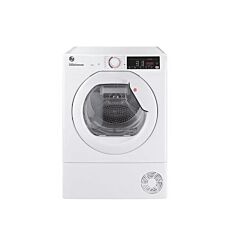
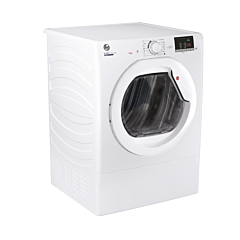
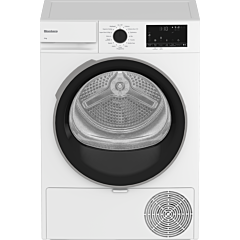
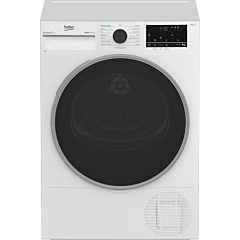
Find Your Perfect Tumble Dryer





























Over 50 Years Experience
Supplying, installing and repairing domestic appliances.
Expert Advice
Our experts are here to help you every step of the way.
Appliance Installation
Professional installation you can rely on.
Appliance Repairs
Fast, reliable repairs from our expert engineers.
Local Stores
Visit our showroom in St Albans, Hertfordshire.
Related Articles
What size tumble dryer do I need?
Read More →
Heat pump vs condenser vs vented tumble dryers
Read More →
Integrated vs freestanding tumble dryers
Read More →
Tumble dryer energy ratings explained
Read More →
Best tumble dryers of 2026
Read More →
